
English has always been a language that picks things up along the way. Sailors brought back words. Immigrants carried others. And lately, English has been borrowing freely from Korean kitchens, bathhouses, offices, and everyday social life. By early 2026, the Oxford English Dictionary made it official, adding eight Korean words that English speakers have been using often enough to leave a clear record in print and media.
Many of them even surfaced in pop culture, including the hit 2025 film K-Pop Demon Hunters, which wove several of these terms naturally into its world. None of these words are flashy inventions. They come from ordinary life, which is usually how language changes in the first place.
Below are the eight new arrivals, and why they matter.
Ramyeon

Korean ramyeon
Ramyeon refers to Korean-style instant noodles, typically spicy and served in broth. While English has long used the Japanese-derived word “ramen,” ramyeon appears frequently in English-language menus, cookbooks, food writing, and television coverage of Korean cuisine. Its inclusion reflects how Korean food has moved from niche to everyday reference, especially through Korean dramas, mukbang videos, and restaurant culture.
Bingsu
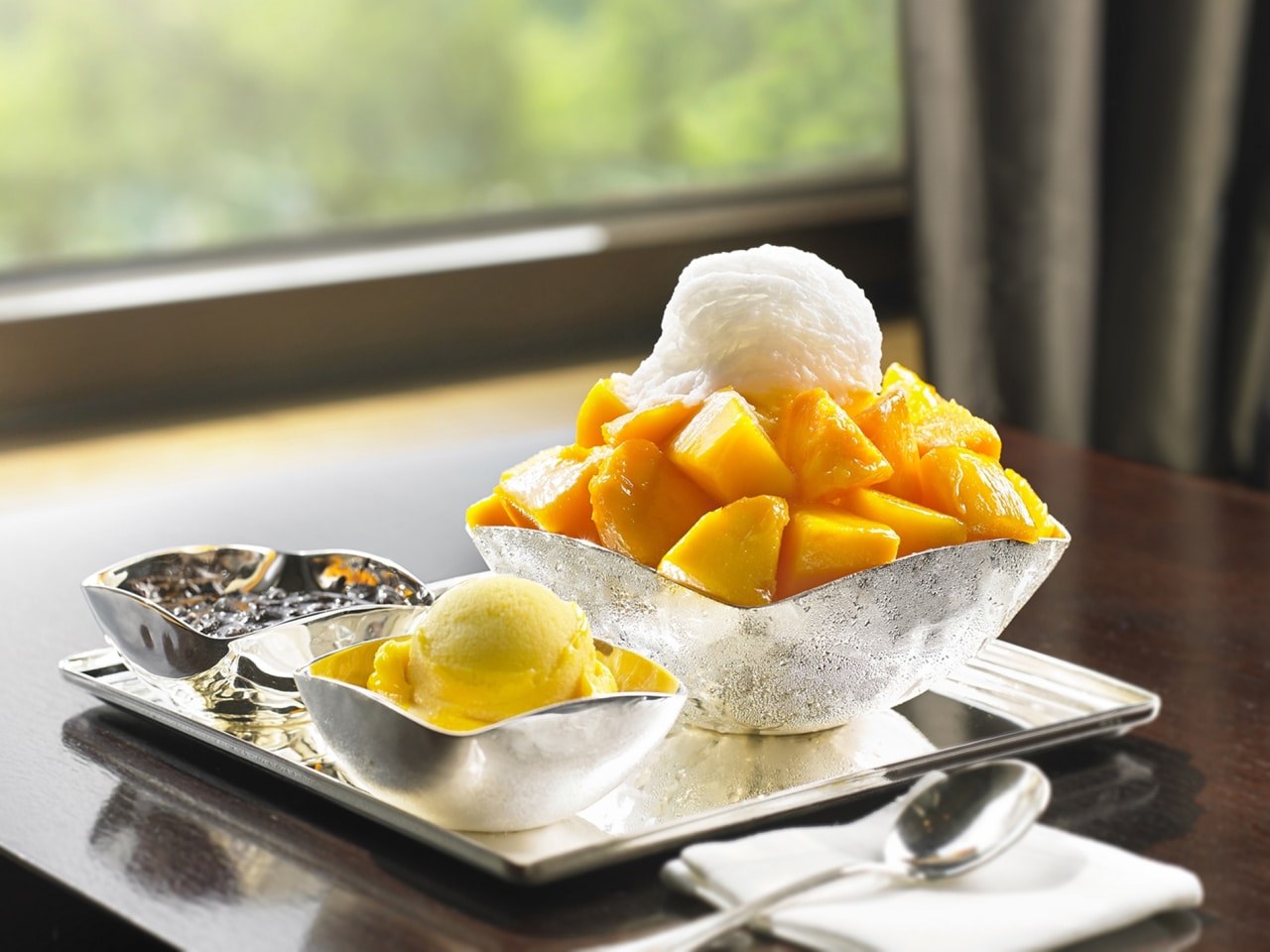
Mango bingsoo at the Shilla Hotel in Seoul.
Bingsu is a Korean shaved ice dessert, usually topped with sweet ingredients like red beans, fruit, condensed milk, or matcha. The word shows up regularly in English reviews of dessert cafés and travel writing about Korea. In pop culture, bingsu often appears as a seasonal marker in dramas, signaling summer heat and shared moments rather than indulgence alone.
Jjimjilbang
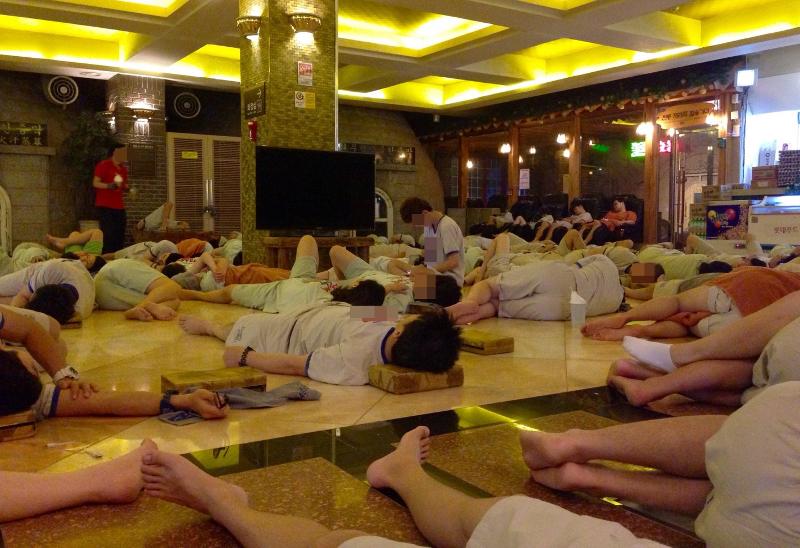
A typical jjimjilbang in Korea
A jjimjilbang is a large Korean bathhouse complex that combines saunas, hot baths, lounging areas, and sometimes sleeping rooms. The word appears frequently in English travel guides, lifestyle journalism, and memoirs. In Korean films and television, jjimjilbangs function as social equalizers, places where status dissolves and everyday life takes over.
Ajumma
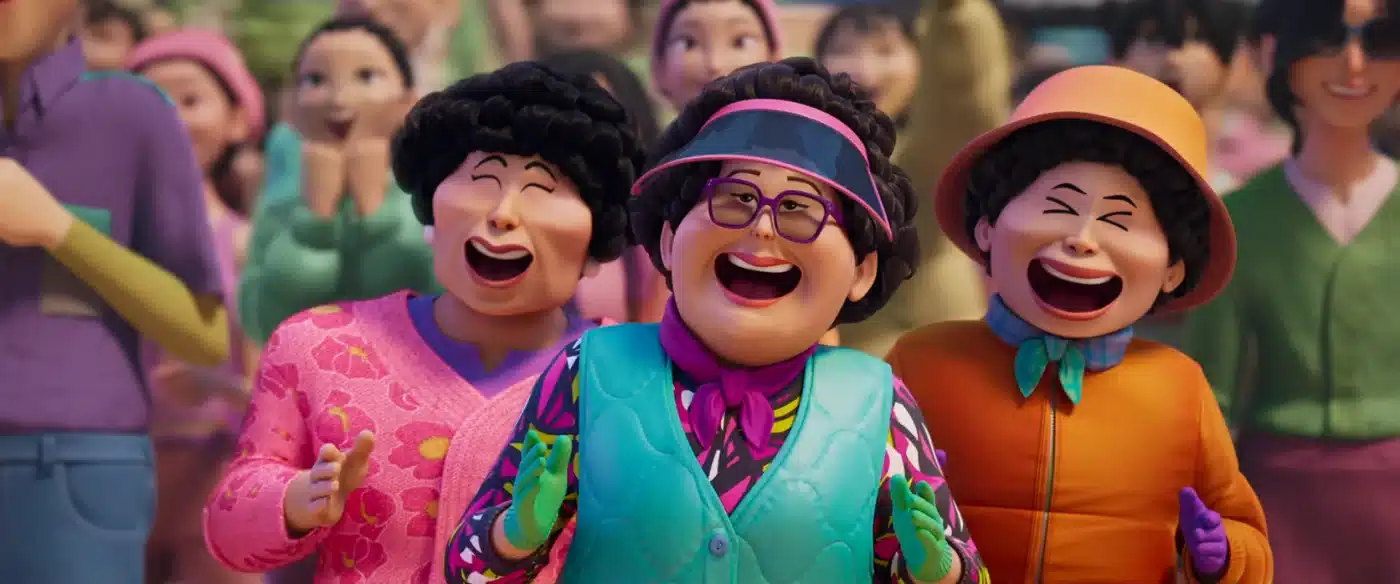
Ajummas as depicted in “K-Pop Demon Hunters”
Ajumma refers to a middle-aged woman, often one who is outspoken, practical, and unconcerned with formality. The term appears in English-language writing about Korean society and pop culture, especially in discussions of gender roles. In dramas and films, ajummas are often shopkeepers, neighbors, mothers, or protestors, figures both comic and formidable.
Haenyeo

Haenyeo are the women free divers of Jeju Island who harvest seafood without oxygen tanks. The word gained wider English usage through documentaries, journalism, and cultural reporting. Their work has been recognized by UNESCO as intangible cultural heritage. In pop culture, haenyeo often symbolize endurance, matriarchal strength, and a disappearing way of life.
Sunbae
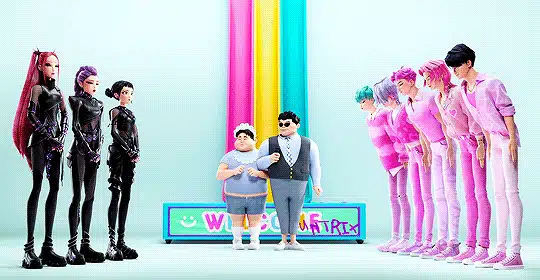
Saja Boys from “K-Pop Demon Hunters” bow to HUNTR/X, who is their sunbae.
Sunbae refers to someone senior in age, experience, or rank, particularly in school or professional settings. The term appears frequently in English writing about Korean workplaces, universities, and dramas. In television and film, the sunbae–hoobae relationship often carries emotional weight, shaping loyalty, mentorship, and tension in subtle ways that English does not easily capture with a single word.
Korean Barbecue

Korean barbecue entered the dictionary as a full phrase, despite individual food terms already appearing earlier. The phrase reflects how English speakers describe a specific style of dining, one centered on tabletop grilling and communal eating. Its widespread use in restaurant reviews, travel writing, and lifestyle media made its inclusion inevitable.
Officetel

An officetel is a type of Korean building designed to serve both residential and commercial purposes. The word appears in English reporting on Korean real estate, urban planning, and economic life. In contemporary dramas, officetels often appear as starter homes for young professionals, places that reflect modern city living and economic pressure.
None of these words arrived through trend alone. The Oxford English Dictionary adds entries only after sustained use in English texts. What these eight terms share is evidence. They show up in newspapers, scripts, menus, essays, and captions. They name things that English speakers increasingly need to talk about.
Language expands when life demands it. In 2026, English needed these words.